


Padel rewards the player who knows which shot the moment asks for. The game has a small, distinct vocabulary of strokes, and the padel shots that matter most are not the hardest ones. They are the controlled overhead that holds your place at the net, the soft ball that drops at an opponent's feet, the lob that buys you three seconds, and the rebound off your own glass. Learn those five and the court starts to make sense.
The short version: The shots that decide a padel point are the bandeja (a sliced, controlled overhead that keeps you at the net), the vibora (a faster, side-spun version for attack), the chiquita (a low, slow ball to an opponent's feet), the lob (the defender's reset), and the off-the-wall return. Power comes last. Position and choice come first.
What are the main shots in padel?
Padel is played on an enclosed court, twenty metres by ten, walled in glass and mesh, and that enclosure changes everything. The ball stays in play off the walls, so the game is less about hitting winners and more about patience, angles, and waiting for the error. Most rallies are won at the net, which is why so many of the signature shots exist to defend that net position rather than to end the point outright.
Here is the working set, from the ones you will use every rally to the ones that finish a point.
| Shot | What it does | When to play it |
|---|---|---|
| Volley | A blocked ball taken before the bounce | When you hold the net |
| Lob (globo) | A high ball over the net players | When you are pushed back and need time |
| Bandeja | A controlled, sliced overhead | To answer a lob and keep the net |
| Vibora | A faster overhead with side spin | When you are balanced and want to attack |
| Chiquita | A low, slow ball to the feet | To unsettle opponents who hold the net |
| Off the wall | Played after the ball rebounds off your glass | When a hard ball passes you |
If you are still learning where the lines are, start with the padel rules, explained simply, then come back. The shots make more sense once the scoring and the walls are clear.
The bandeja: the shot that holds the net
The bandeja is a controlled overhead, hit with slice and a downward trajectory, designed to answer a lob without giving up your place at the net. The name means "tray" in Spanish, and the picture is exact: the arm swings across at roughly shoulder height, the racket face open, as if you were carrying a tray through a crowded room. The bandeja is not a winner. It is a holding shot, and that is the point most beginners miss.
When opponents lob you, the instinct is to smash. The smash, hit flat and hard, often sails long or sits up off the back glass for an easy return, and worse, it drops you back from the net. The bandeja does the opposite. You let the ball come down a little, take it out to the side, brush across it for slice, and place it deep into a corner. The ball stays low after the bounce, the spin makes it awkward, and you keep your forward position. You have not won the point. You have refused to lose it, and at the net that is usually enough.
Play it cross-court when you can. The diagonal is the longest line on the court, which gives you margin, and it pulls the opponent wide.

The vibora: when you want the point
The vibora is the bandeja's aggressive sibling: a faster overhead with side spin, hit with the elbow more bent and the racket closer to the body, so the ball leaves with more speed and a vicious sideways kick. Vibora means "viper" in Spanish, and the ball behaves like one, skidding low and away after it lands. Where the bandeja resets a rally, the vibora is built to break it open.
The difference is choice, not just technique. Reach for the bandeja when you are off balance or stretched, when the smart move is to keep the net and wait. Reach for the vibora when you are set, the ball is in your strike zone, and you want to force a weak return or a short reply you can then put away. The contact point sits a touch further forward than the bandeja, the wrist is more active, and the swing is quicker. Learn the bandeja first. The vibora is the upgrade you earn once the controlled version is reliable.
The soft shots: the chiquita and the lob
The two most underrated padel shots are slow ones. The chiquita is a low, soft ball played at the feet of opponents who hold the net, forcing them to volley up from below the tape so you can take the net yourself. The lob is a high ball over those same net players, sending them backpedalling and giving you the two or three seconds you need to move forward. Neither is hit hard. Both win position, which in padel is how points are actually won.
The chiquita rewards disguise and centimetres. Played well, it dies just over the net and the opponent has to scoop it, handing you the attacking ball. The lob, or globo, is the single most useful defensive shot in the game: it turns defenders into attackers by trading a moment of pressure for territory. Get the depth right, deep enough to clear the net players, short enough to stay off the back glass, and you have flipped the rally without taking a risk.

Playing off the wall
The wall is what makes padel padel, and the rule is simple: a ball must bounce on the floor of your side first, and only then may you play it after it rebounds off your glass. A ball that strikes your wall before it bounces on the floor is out. Once you trust that, the back glass stops being a threat and becomes a teammate.
When a hard ball passes you, do not panic and reach. Let it go by, read the rebound off the glass, set your feet, and play it off the wall as it comes back to you, usually as a deep lob to reset the point. The timing feels strange for the first few sessions and then becomes second nature. This single habit, turning to use the wall instead of flailing at the ball, separates a beginner from someone who can rally. It is also the most satisfying shot in the game to get right.
Where to practise the shots that matter
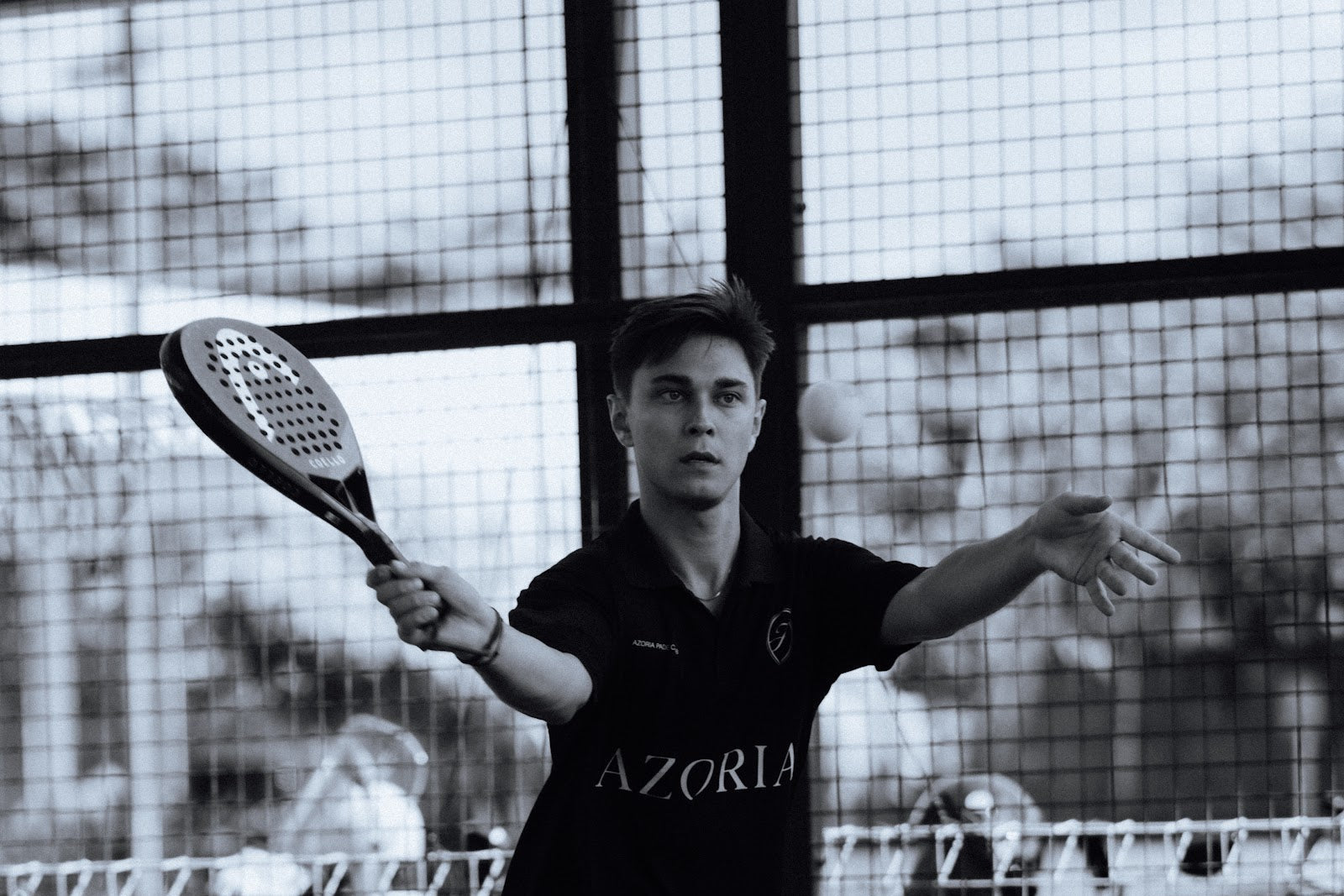
Reading about the bandeja teaches you the idea. Twenty minutes of feeds against a wall teaches you the shot. The fastest progress comes from drilling one stroke at a time with someone who can see what your wrist is doing, which is the whole reason coaching exists.
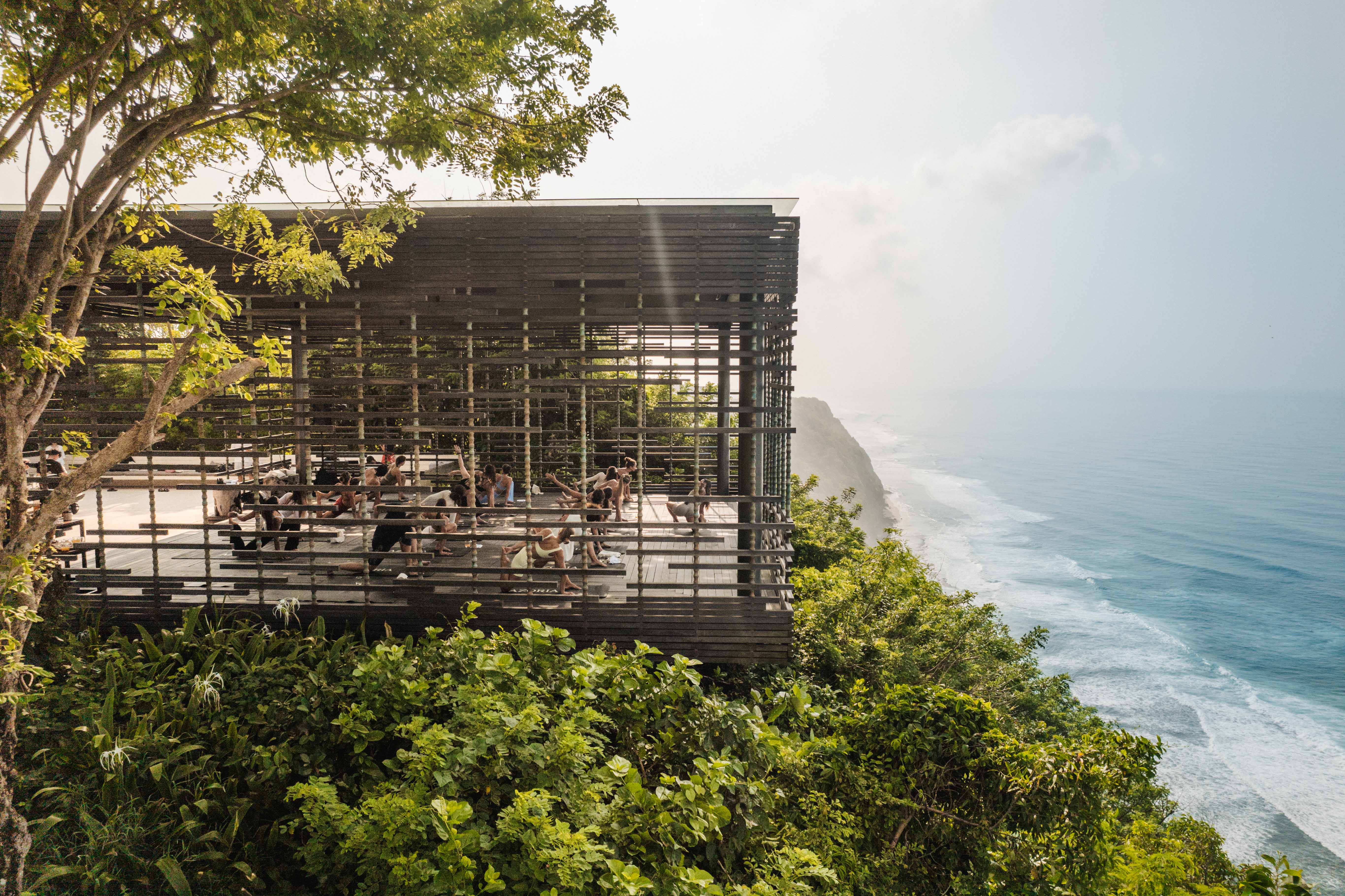
At Azoria Padel Club in Uluwatu, the Padel Academy is built around exactly this: small groups and private sessions that break the overhead game down into the bandeja, then the vibora, then the choice between them under pressure. Five courts, one of them central, open from seven in the morning. If you have a week on the Bukit and want to come home hitting a cleaner overhead, the structured route is a few short padel lessons in Uluwatu, and our note on how to improve your padel in a week sets out the rest. New to the game entirely, start with padel for beginners in Uluwatu, then read the full clifftop guide to padel in Uluwatu.

Frequently asked questions
What is the difference between a bandeja and a vibora?
The bandeja is a controlled, sliced overhead that keeps you at the net and resets the rally. The vibora is faster, with side spin and a more bent elbow, hit to attack rather than to hold. Same family of shot, different intent: the bandeja buys time, the vibora goes for the point.
What is the most important shot in padel?
For defenders, the lob. It is the shot that turns a defensive position into an attacking one by pushing the net players back and buying you time to move forward. For players holding the net, the bandeja matters most, because it lets you answer a lob without surrendering your position.
What does bandeja mean in padel?
Bandeja is Spanish for "tray." The name describes the swing: the arm moves across at about shoulder height with the racket face open, like a waiter carrying a tray. It is a slice overhead played for control and placement, not power.
Can you play the ball off the wall in padel?
Yes. After the ball bounces on the floor of your side, you may let it rebound off your glass and play it. A ball that hits your wall before bouncing on the floor is out. Using the back glass to reset hard shots is a core padel skill.
Should beginners learn the smash or the bandeja first?
The bandeja. A flat smash from deep often goes long or sits up off the back wall, and it pulls you away from the net. The bandeja keeps you at the net and keeps the ball in play, which wins far more points at club level than power does.
The good players on court three are rarely the ones hitting hardest. They are the ones who, when the lob goes up, already know whether it is a bandeja or a vibora, and have decided before the ball comes down.
Further reading
- International Padel Federation (FIP). The sport's world governing body, for official rules and the professional game.
- LTA Padel: rules and how to play. A clear, reputable primer on scoring, the walls and getting started.
- Babolat: the different padel shots. A manufacturer's stroke-by-stroke guide, useful for visualising each shot.
Share:
A Recovery Day in Uluwatu: Sauna, Ice Bath, Quiet
Where to Play Padel in Uluwatu