


A week is enough. Not to master the game, but to make a visible jump, the kind your regular partners notice on the first point. The way to improve your padel in a week is to stop trying to hit harder and fix the dull things instead: where you stand, when you lift the ball, how softly you can hold the racket. Seven mornings, one habit each. By the seventh you are a different player on the same court.
The short version: You cannot rebuild a game in seven days, but you can fix the things that lose points. Spend the week on position, the lob, the bandeja, the wall, and soft hands, not on power. One focused habit a day, drilled before you play, beats a month of casual matches.
Can you really improve your padel in a week?
Yes, if you spend the week on the right things. Reaching a genuine intermediate level takes most people six to eighteen months of regular play. But the fastest gains are not spread evenly across that time. They sit at the start, and they come from positioning, shot selection and patience, not from a bigger swing. A week of deliberate practice on your weakest habit moves you more than a month of social matches where you repeat it.
The players who improve quickest build a reliable, repeatable stroke first and add power later. So the plan below is unglamorous on purpose. No winners. No highlight smashes. Just the boring excellence that wins the long match and reads, on court, as quiet competence. If you are brand new to the game, start one step earlier with our beginner's guide to padel in Uluwatu, then come back here.
Days one and two: fix where you stand

The single biggest difference between a beginner and an intermediate is not the swing. It is where they stand. The team that controls the net wins most points, so your default position is roughly one to two metres from the net, side by side with your partner, moving up and back together like two windscreen wipers on one arm.
Spend the first two mornings on one idea: after every shot, recover. Hit, then return to your position before the next ball. Most lost points at this level are not bad shots, they are good shots played from the wrong place because nobody moved back to the middle. Pair with someone and rally with a single rule, get back to your spot after every contact. It feels like footwork drudgery. It is the most valuable thing you will do all week.
Two principles to hold:
- Move as a pair. If your partner steps up, you step up. If they are pushed back by a lob, you drop with them. A flat, connected line is hard to break; a staggered one leaks the gap down the middle.
- Win the net, then hold it. Getting to the net is half the job. Staying there, by not coughing up an easy lob, is the other half, which is what days three and four are for.
Day three: the lob and the bandeja

Once you are at the net, opponents will try to lift you off it. The shot that keeps you there is the bandeja, a controlled overhead played at head height with a slicing, lateral motion. It is not a smash. Its job is not to win the point but to keep you at the net and put the ball deep in the corner so the rebound off the back glass stays tame.
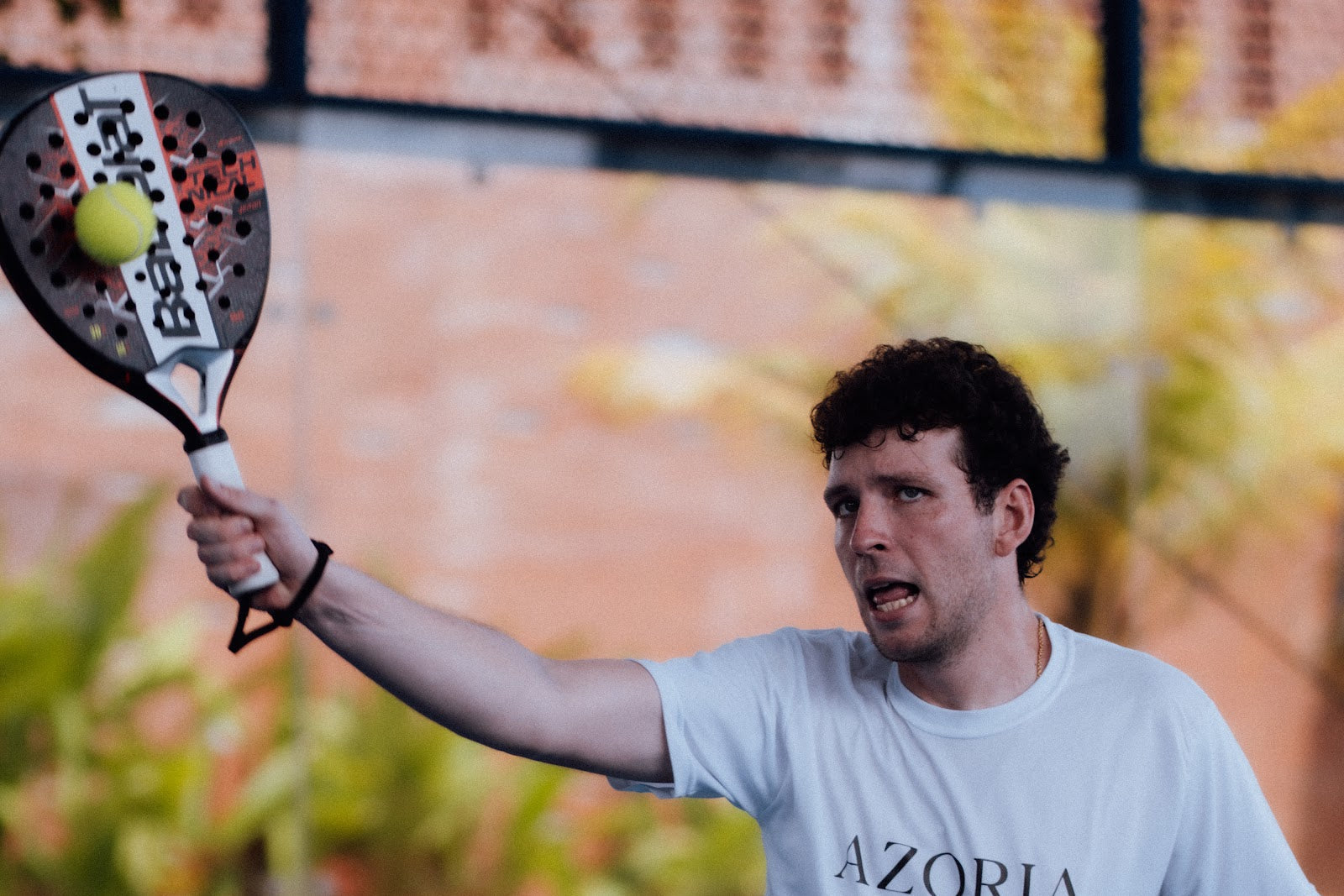
Relax the wrist to find the slice, aim deep into the middle or the corner with a safe margin, and recover forward. Depth matters more than speed. Its faster, more aggressive cousin is the víbora, hit with side spin and a quick pronation of the wrist for a dipping, skidding ball. The single fastest improvement here is restraint: choose the bandeja more often, and save the víbora for when you are set, balanced, and contacting the ball high. Most intermediate errors are víboras attempted off balance.
Drill it as a loop. A partner or coach feeds a lob, you retreat with shuffle steps, play the bandeja, return to the net, repeat. The repetition of that one pattern, lob, retreat, bandeja, recover, is what separates players who hold the net from players who visit it. For the difference between this and the tennis overhead you may already own, see padel vs tennis.
Day four: make friends with the wall

The glass is the part of padel that breaks tennis brains, and the fastest way to fix it costs nothing but a bag of balls and twenty quiet minutes. The back and side walls are in play. A ball that beats you can rebound off the glass and still be returned, so the panic most newcomers feel watching a ball sail past is misplaced. Let it come off the wall, wait, and play it.
The drill is solo and ruthless. Stand three to four metres from the back glass, feed a ball into it, and rally with yourself, forehand and backhand, reading the bounce off the wall each time. Start at twenty consecutive hits, build to fifty. Once fifty feels easy, add a small sidestep and recovery after each hit so the footwork becomes match-realistic. Twenty minutes of this counts as a full session. It is the one drill you can do alone on any free court, before the sun is properly up.
Day five: soft hands, not big swings
By midweek the instinct to hit hard will still be there. Spend a morning unlearning it. Play every ball at roughly fifty to seventy per cent of your full pace. The player who returns the ball reliably beats the player who swings for winners and misses half of them, every time, at every level below professional.
Softer pace does three things at once: more balls land in, your consistency climbs, and you give your opponents nothing easy to counter. Power is the last thing you add to a padel game, not the first. Hold the racket lighter, shorten the swing, and let placement do the work. It is the least dramatic session of the week and probably the one that wins you the most points on Saturday.
Day six: film one match, fix one thing
You cannot fix what you cannot see. On day six, have someone film a single set on a phone, propped on a bag at the back of the court. Watch it once that evening. You will spot your own pattern within five minutes: the lob that always floats short, the backhand you run around, the net position you keep abandoning.
Then do the unfashionable thing and work on the weakest shot, not the favourite one. Most players plateau because they drill what they already enjoy. Breaking through comes from deliberate practice on the flaw: one lesson aimed at one skill, one drill session instead of another casual match. An hour with a coach who watches you for ten minutes and then makes you repeat one correction two hundred times is worth a fortnight of social play. This is exactly what good coaching at the Azoria Padel Academy is for, and what we cover in padel lessons and coaching in Uluwatu.
Day seven: play, and keep the week
The last day is not a drill. Play three or four real matches and let the week settle in without thinking about it. You will not remember every cue mid-rally, and that is the point. The good habits should feel slightly automatic by now: you recover to your spot, you lift the bandeja instead of forcing the smash, you let the wall do its work, you hold the racket softly. Note one thing that still needs work, and that becomes next week's single focus.
The week at a glance
| Day | Focus | One drill |
|---|---|---|
| 1 to 2 | Court position | Recover to your spot after every shot |
| 3 | Lob and bandeja | Lob, retreat, bandeja, recover, repeat |
| 4 | The wall | 50 solo rallies off the back glass |
| 5 | Soft hands | Every ball at 50 to 70 per cent pace |
| 6 | Self-review | Film a set, drill the weakest shot |
| 7 | Play | Real matches, keep the habits |
Where to drill it on the Bukit

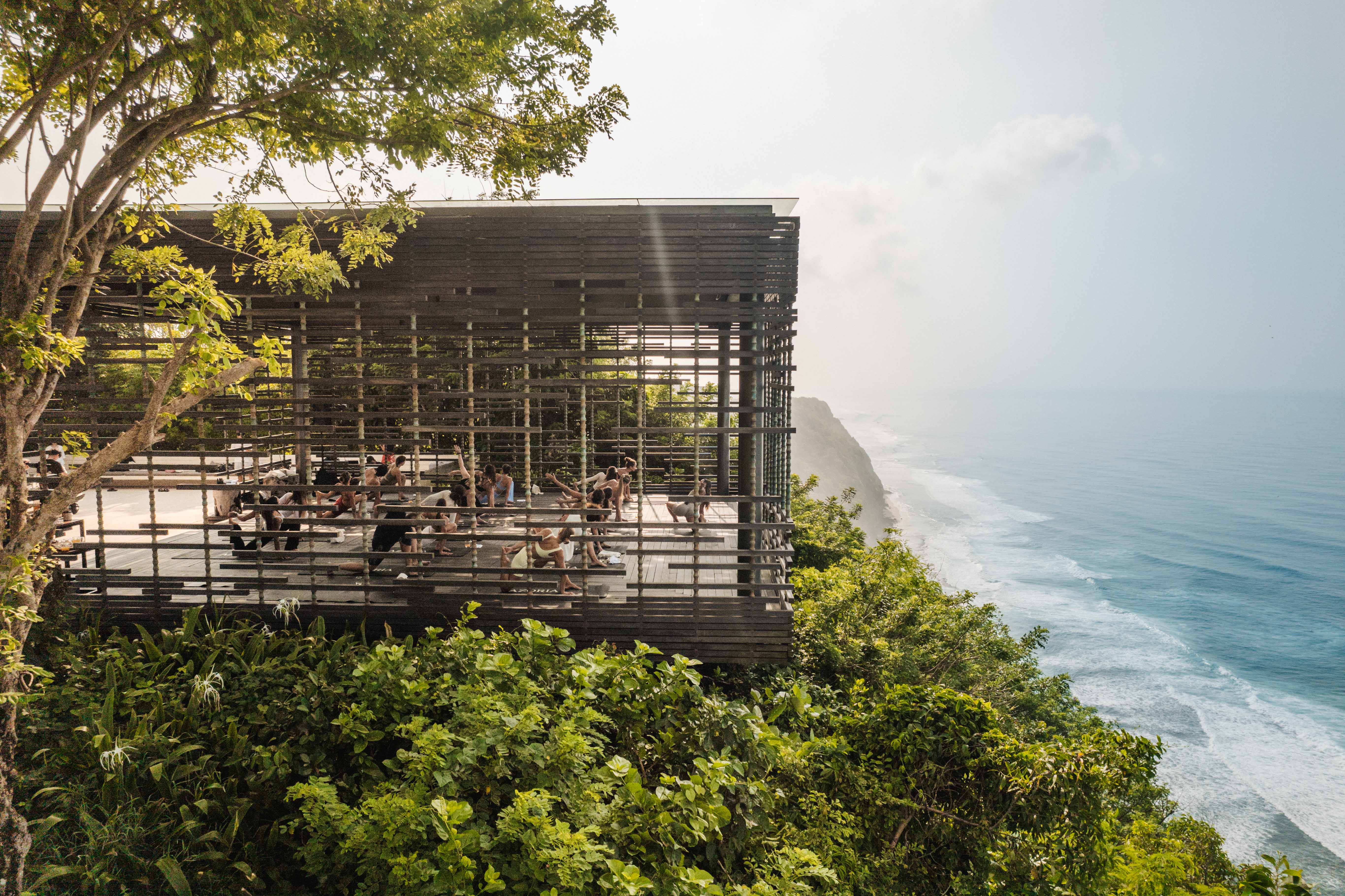
A week of focused padel is a fine reason to be in Uluwatu, and the dry season, roughly April to October, is the time to do it. Courts here are weather-independent, the mornings are dry and bright, and an early session before the heat is the most pleasant hour on the clifftop. At Azoria Padel Club the week looks like this: court at sunrise, a drill before the social games, a long breakfast on the terrace, and the legs you earned by ten.
If you are building a trip around the game, our guide to padel in Uluwatu covers the wider scene, and recovery after padel covers the hours that decide whether you can play seven mornings in a row. Bring the right shoes; the heat is real, and the surface asks for a proper sole, which we cover in what to wear for padel in Bali. The game itself you can learn anywhere. The week that makes it click is better spent somewhere worth waking up for.
Frequently asked questions
How long does it take to get good at padel?
Most people reach a solid intermediate level in six to eighteen months of regular play, faster with coaching and a racket-sport background. A single focused week will not get you there, but it makes a clear, visible jump if you spend it on position and shot selection rather than power.
What is the fastest way to improve at padel?
Fix where you stand. Court position is the biggest gap between beginners and intermediates, so recover to your spot after every shot and learn to hold the net with a controlled bandeja rather than a risky smash. Placement beats power at every level below professional.
How often should I play or train to improve?
Two to three sessions a week is a strong target, with at least one of them a deliberate drill rather than a casual match. Consistency matters more than length: a short weekly session beats one long session a month, because you keep the small gains instead of losing them between visits.
What is the bandeja and why does it matter?
The bandeja is a controlled overhead, sliced and placed deep rather than smashed, that lets you stay at the net after your opponents lob you. Learning it is the difference between holding the net and constantly being pushed off it, which is where most intermediate points are won and lost.
Can I practise padel alone?
Yes. The back wall is the best practice partner you have. Stand three to four metres from the glass and rally against it, forehand and backhand, building from twenty hits to fifty. Twenty focused minutes counts as a full session and sharpens the wall reading that newcomers find hardest.
You will know it worked on the second Saturday, not the first. Someone you usually lose to will say, quietly, that you have got better. You will not have hit a single ball harder.
Further reading
- International Padel Federation (FIP), the sport's world governing body, for official rules, rankings and the global calendar.
- Babolat: padel hitting techniques, a clear technical breakdown of the bandeja, víbora and the core strokes.
- LTA Padel, training tips, drills and a sensible path from beginner to intermediate.
- SGI Europe: padel search at an all-time high, the numbers behind the sport's run, including Indonesia's entry into the top markets.
Share:
Is Padel Good Exercise? What an Hour on Court Does
Recovery After Padel in Bali: The Hours That Matter