

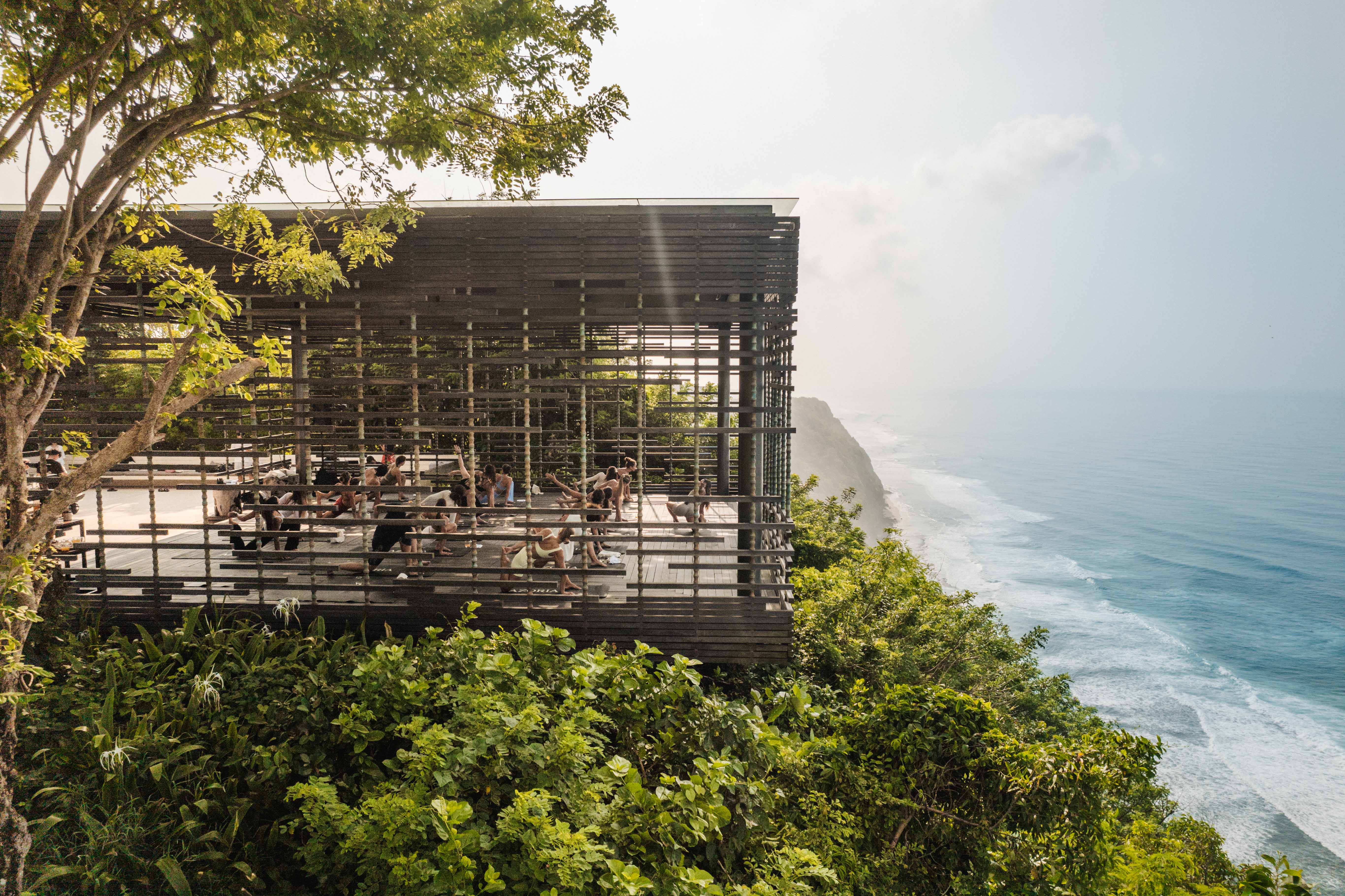

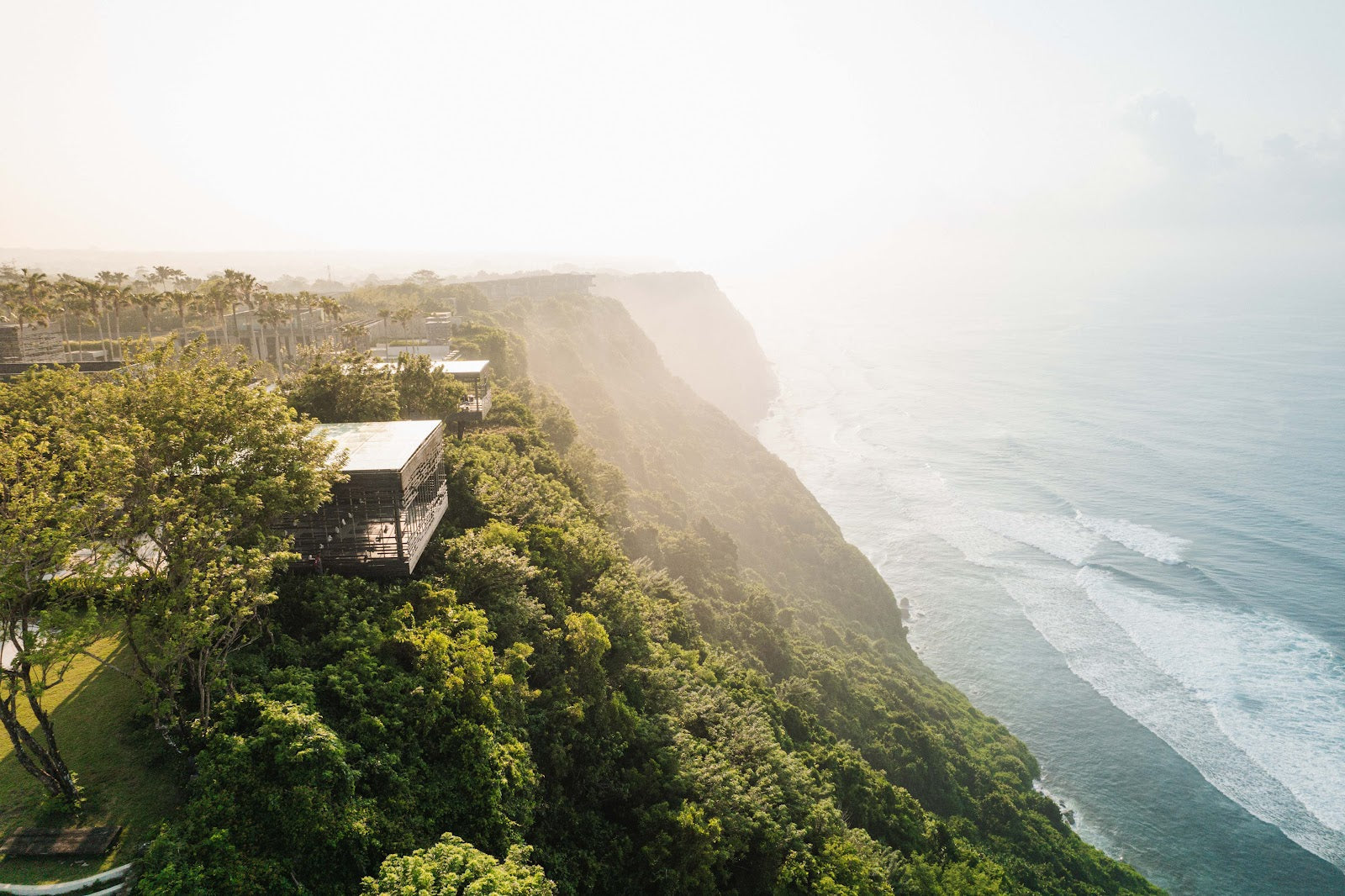
People used to plan a Bali trip around the surf. Now a certain kind of traveller plans it around the court. A padel holiday in Bali means booking the days the way you would in Marbella or Lisbon, a match in the morning, a long lunch after, the sea somewhere in between, except the court sits on a limestone cliff and the season runs most of the year. Here is how to plan it well.
The short version: Come in the dry season, April to October, base yourself in Uluwatu on the Bukit, and build the days around two padel sessions, morning and late afternoon, with recovery and a proper table in between. Courts are weather-resistant, so the wet season works too. Pack court shoes with a herringbone sole and very little else.
Why plan a holiday around padel at all
Because the game travels better than almost any sport. Padel is the fastest-growing racquet sport in the world, with more than 35 million players across 150 nations and over 77,000 courts by the end of 2025, a figure that grew 15 percent in a single year according to the International Padel Federation. It is doubles, it is social, and it is easy to start and slow to master. That combination is why people now build trips around it.
Bali caught the wave late and hard. The island went from no courts to a dense scene in roughly three years, concentrated first in Canggu and then on the Bukit. For a player, that means you can land, find a match within a day, and play with people from a dozen countries before the week is out. The sport is a passport. It introduces you to a city faster than any guidebook.

When to come
The best window is the dry season, roughly April to October, with the clearest skies and the best surf from June through September. This is also the busiest stretch, so courts and tables book ahead. If you want the island quieter and cheaper, the wet season from November to March is warm, green, and only briefly rainy in the afternoons.
Here is the part most travel guides miss: padel is weather-independent in a way the beach is not. An afternoon downpour closes the surf and empties the sand, but a covered or well-drained court keeps playing. A padel-led trip is one of the few Bali holidays that holds up in the green season, which is also when the island is at its most generous and least crowded.
One date to know. Nyepi, the Balinese Day of Silence in March, shuts the whole island down for 24 hours, airport included. Beautiful to witness, worth planning around rather than into.

Where to base yourself
Base on the Bukit Peninsula, in or near Uluwatu. It is the clifftop southern tip of the island, dry and dramatic, surf-led, and quieter than Canggu. Canggu is where Bali's padel boom started, denser and younger, all scooters and cafes. Uluwatu is the calmer counterpart, the place people choose when they have done the busy version of Bali and want the long-afternoon version instead.
From the airport at Ngurah Rai it is roughly forty-five minutes to an hour to Uluwatu, depending on traffic, which is real and worth building into your plans. Once you are on the Bukit, distances are short. Most of what you need, courts, beaches, coffee, a good dinner, sits within a fifteen-minute drive.
For where the game is actually good and how the courts play, our clifftop guide to padel in Uluwatu covers the ground in detail. If you have never picked up a racquet, start with padel for beginners first.

How to build the days
The trick is two sessions a day, with the heat respected. A padel holiday is not a training camp. It is a rhythm.
A day, roughly
- Early court, before the heat. A match from seven to half past eight, when the light is low and the air still has some cool in it. This is the best padel of the day and the courts know it.
- Breakfast, then the sea. Coffee and something proper, then a surf, a swim, or simply a slow morning. The Bukit's beaches, Padang Padang, Bingin, Suluban, are a short drive down.
- The long middle. The hottest hours are for shade, lunch, a book, a nap. Do not fight the sun at noon. Nobody local does.
- Late court, the social one. A second session from four or five, looser, with a drink waiting at the end of it. Padel's whole culture lives in the hour after the match, not the match itself.
- The table. Dinner that runs long. Mediterranean food sits well after sport, olive oil and salt and something cold, and the Bukit has grown a serious dining layer to match.
Two sessions, two meals, the sea and a sleep in between. Hold that shape for a week and you go home fitter and calmer than you arrived, which is the opposite of how most holidays work.

Combine padel with recovery, not more padel
The players who get the most from a week do not play more, they recover better. Sauna, cold plunge, and a proper stretch do more for your game than a third session ever will. Padel is stop-start and rotational, hard on the hips, calves, and the side of the body you serve from. A contrast of heat and cold between sessions is the difference between a good Thursday and a sore one.
This is where the Bukit earns the trip. The recovery scene here is genuine, not decor. Build a sauna and ice round into the long middle of the day and the late-afternoon match feels like the first. Our note on the recovery side of the house goes deeper on the stack worth using, and the full method is in our guide to recovery after padel.

What to pack
Less than you think. The heat does most of the editing for you.
- Court shoes with a herringbone sole. The single most important item. Padel courts are turf with sand infill, and a running shoe will slide. This is the one thing not to improvise on the island.
- A racquet, if you have one you like. Otherwise leave it. Every club rents solid padel racquets, and travelling without one is lighter and simpler. Pressurised balls are provided.
- Light, breathable kit and a spare set. You will sweat through more than you expect. Cotton for after, technical for during.
- Sun and after-sun. The equatorial sun is stronger than it feels with sea breeze on you. Cap, high-factor, and something for the evening.
That is the trip. Shoes, kit, sun, and a willingness to play with strangers. The full kit list is in our guide to what to wear for padel in Bali.

Where Azoria fits
Azoria is a Mediterranean house in Uluwatu built around exactly this rhythm. The Azoria Padel Club sits at the centre of it, clay-toned courts on a west-facing clifftop, and the Azoria Padel Academy exists for players who want to leave better than they came. Around the courts: a recovery wing, a long table serving Mediterranean food at the centre of it, and rooms for those who want the whole day inside one gate. Padel is the reason to come. The afternoon is the reason to stay.
Frequently asked questions
Is Bali good for a padel holiday?
Yes. Bali has one of the fastest-growing padel scenes in Asia, with courts concentrated in Canggu and on the Bukit around Uluwatu, an international playing community, and a season that runs most of the year. The game pairs naturally with surf, recovery, and a strong dining scene.
When is the best time to go?
The dry season, April to October, has the clearest skies and best surf, but it is also the busiest. The wet season, November to March, is quieter and cheaper, and because padel courts are largely weather-resistant, a padel-led trip holds up well even then.
Do I need to bring my own racquet?
No. Clubs across Bali rent solid padel racquets and provide balls, so most travellers leave the racquet at home and pack light. The one thing worth bringing is court shoes with a herringbone sole, which grip the turf far better than running shoes.
How many days do I need?
A week is the sweet spot. It is long enough to settle into a two-session rhythm, recover properly between matches, and still have mornings for the sea, without turning the holiday into a training camp.
Where should I stay for padel in Bali?
Uluwatu on the Bukit Peninsula is the calmer, clifftop base, quieter than Canggu and close to courts, beaches, and good dining. It is around forty-five minutes to an hour from the airport.
The best week here ends the way it began. A low sun, a court still warm from the day, and a drink poured for whoever you happened to play with. You came for the game. You will remember the afternoon.
Further reading
- International Padel Federation, the sport's governing body, for rules, rankings, and the annual world growth report.
- Honeycombers Bali, a current local guide to where the courts and communities are across the island.
- Padel, an overview, a clear primer on the game's history, court, and scoring.
Share:
What to Wear for Padel in Bali: Shoes, Kit and the Heat
Padel Etiquette: Manners On and Off the Court